
Your cart is currently empty!
Ethiopia Secures $2.5B Dangote Fertilizer Deal: A Game-Changer for Agriculture and Economy
•
Agriculture is the backbone of Ethiopia’s economy, employing 80% of the population and supplying food, foreign currency earnings, and inputs for agro-industries. Yet, the sector has long struggled with subsistence farming, reliance on imports, and vulnerability to global crises.
For decades, Ethiopia depended on imported fertilizer—spending $4 billion annually—a burden on scarce foreign exchange. Past attempts to build local factories failed, leaving the country exposed to global supply shocks such as the Russia-Ukraine war and shipping disruptions in the Red Sea.
A Breakthrough Fertilizer Investment
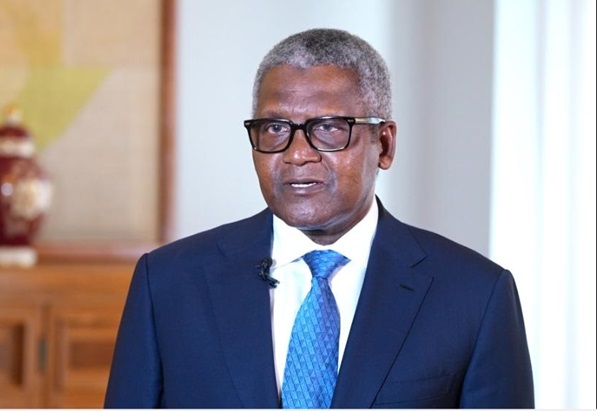
That narrative is about to change. In a landmark move, Ethiopia signed a $2.5 billion Fertilizer Complex Shareholder Investment Agreement with Dangote Industries Limited, owned by Africa’s richest man, Aliko Dangote.
The mega-project, located in Gode, Somali Region, will produce up to 3 million metric tons of fertilizer annually, positioning Ethiopia as a leading fertilizer producer in Sub-Saharan Africa.
Dangote praised Prime Minister Abiy Ahmed for pushing the deal through, stating:
“If he had not been on my neck for the past six months, this investment would not have been possible.”
Boosting Food Security and Self-Sufficiency
Ethiopia’s fertilizer factory will:
- Save $1 billion annually in foreign exchange by reducing imports.
- Utilize domestic natural gas from Calub and Hilala fields, linking agriculture, mining, and industry.
- Ensure stable supply for farmers, insulating the country from global price hikes and shipping risks.
- Lower input costs for farmers, resulting in affordable food prices for consumers.
- Create jobs and spur infrastructure development in the Somali region.
Finance Minister Ahmed Shide described the project as a new “renaissance” for Ethiopia, likening its significance to the Grand Ethiopian Renaissance Dam (GERD).
Regional and Global Impact
Initially, the factory will focus on meeting domestic demand, ensuring Ethiopian farmers access fertilizer at stable prices. Over time, surplus production will be exported to neighboring countries, making Ethiopia a regional hub for fertilizer supply.
This strategic shift strengthens Ethiopia’s position in Africa’s agricultural value chain and supports its vision of transitioning from an agriculture-led to an industrial economy.
A Milestone for Ethiopia’s Future
By turning decades of natural gas exploration into a fertilizer powerhouse, Ethiopia is taking a giant leap toward food self-sufficiency and economic resilience. The project not only reduces dependency on imports but also shields the nation from external shocks, helping secure Africa’s second-largest population against food insecurity.
Leave a Reply