
Your cart is currently empty!
Africa’s Sahel: Unlocking Food Systems Transformation for Jobs, Resilience, and Global Food Security.
•
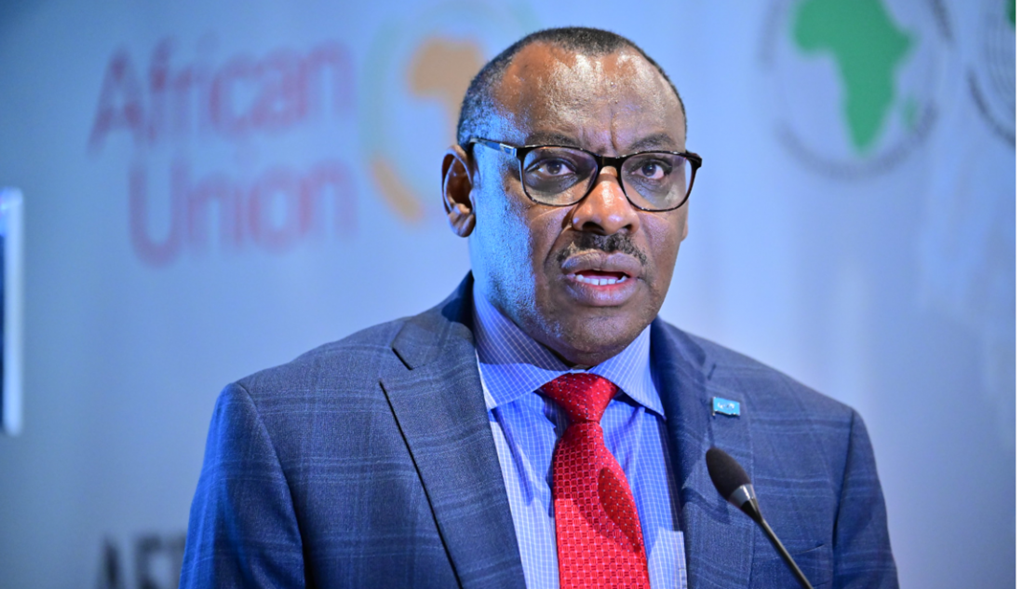
Speaking at the Africa Food Systems Forum Special Event: Sahel Government–UN Food Systems Transformation Alliance, Claver Gatete, Executive Secretary of the Economic Commission for Africa (ECA), stressed that food insecurity is now a global crisis, with nearly 700 million people undernourished in 2024—one of the highest figures in decades.
Africa’s Paradox: Food Basket Potential Amid Rising Insecurity
Gatete reminded the gathering that Africa holds 60% of the world’s arable land, immense renewable energy potential, and a young population, yet the Sahel region spends nearly $1 billion annually on food imports. With its fertile soils, rich ecosystems, and 300 million citizens, the Sahel should be a driver of food security, not dependence.
“How can a region so rich in agricultural promise remain so dependent on external supplies? The answer lies in transformation—deliberate, targeted, and inclusive transformation,” Gatete emphasized.
Priorities for Food Systems Transformation in the Sahel
- Invest at Scale and with Focus
- The Sahel cannot rely on small, scattered interventions.
- Large-scale investments in rice, millet, sorghum, livestock, aquaculture, and digital agriculture are key to reducing imports, creating jobs, and strengthening resilience.
- The Central Sahel Flagship Programmes, already mobilizing $4 billion for land restoration, solar irrigation, processing, and youth employment, prove what is possible.
- Inclusion and Resilience at the Core
- Women, who are the backbone of African agriculture, must not remain excluded from finance and decision-making.
- The Sahel Gender Compact sets a target of 15% of budgets for gender-specific actions and 30% of resources for women-led organisations.
- Climate-smart irrigation, soil restoration, and renewable energy must anchor all interventions to withstand climate shocks.
- Unlock Innovative Financing
- Public budgets cannot fund transformation alone.
- New financing models such as blended finance facilities, green bonds, diaspora bonds, and food security bonds are needed.
- By treating food systems as investment assets, billions in private financing can be unlocked.
The UN’s Role and Africa’s Opportunity
Gatete assured governments that the UN Integrated Strategy for the Sahel will continue to de-risk investments and strengthen national ownership. Partnering with the African Union (AU) and regional blocs, the UN will help ensure Sahelian food systems become engines of jobs, peace, and resilience.
Africa’s Sahel: Unlocking Food Systems Transformation for Jobs, Resilience, and Global Food Security
Leave a Reply