
Your cart is currently empty!
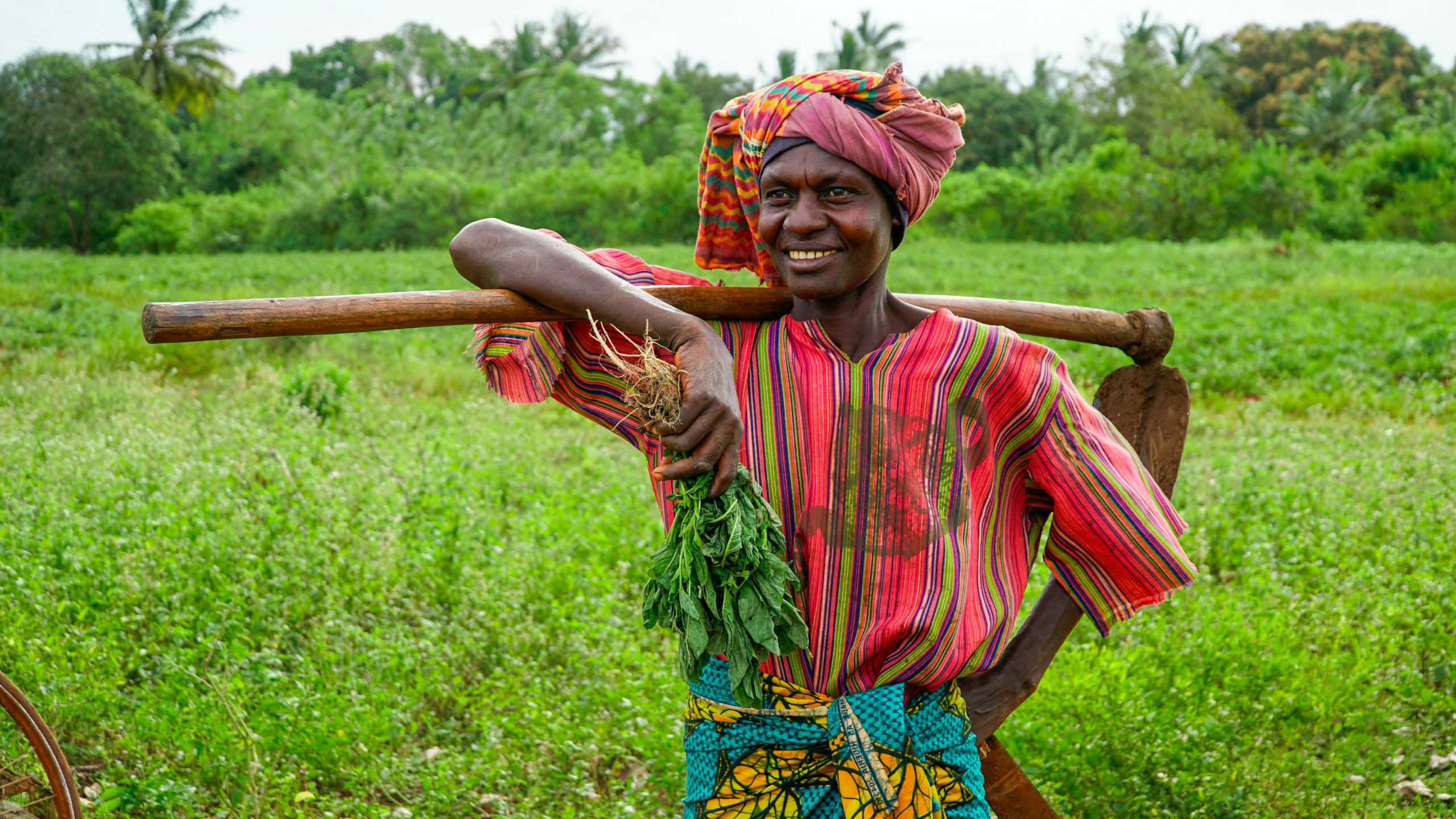
Empowering Women Farmers: Key to Food Security and Climate Resilience in Sub-Saharan Africa.
•

Women make up nearly half of Sub-Saharan Africa’s agrifood workforce yet remain locked out of critical resources like land, water, and decision-making power, according to a new FAO report released in collaboration with the University of Greenwich’s Natural Resources Institute (NRI) and African Women in Agricultural Research and Development (AWARD).
Women in Agrifood Systems: Backbone Without Recognition
Women represent 49% of the workforce in agrifood systems, and their participation rises to 73% in food processing and services. Despite this, structural barriers persist: in 28 out of 33 Sub-Saharan African countries, women are less likely than men to own land or hold secure tenure rights.
The FAO stresses that secure land rights and access to inputs are key for women to make sustainable investments, improve yields, and boost nutrition outcomes for households.
Food Insecurity Hits Women Harder
Food insecurity remains alarmingly high, with 64% of Sub-Saharan Africa’s population facing moderate or severe food insecurity in 2024. Notably, 11.2 million more women than men were affected.
Health challenges persist, with nearly 40% of women aged 15 to 49 suffering from anemia, undermining productivity and resilience.
Climate Change Deepens Gender Inequalities
The report highlights the disproportionate impact of climate change on women. A 1°C rise in long-term average temperatures reduces household income in female-headed homes by 34% more than in male-headed ones.
This underscores the urgent need for gender-sensitive climate adaptation strategies to protect vulnerable farming households.
Pathways to Empowerment
Positive changes are emerging across the region:
- Women’s land rights movements are gaining traction.
- Campaigns are addressing gender-based violence in farming communities.
- Women are leading agroecological practices and taking roles in natural resource governance.
Dr. Lora Forsythe of the University of Greenwich’s NRI emphasized that empowering women improves livelihoods and ensures women’s priorities are better represented in policymaking.
Looking Ahead: 2026 – International Year of Female Farmers
With the UN declaring 2026 the International Year of Female Farmers, the FAO is urging governments and partners to scale up investments in women’s empowerment. This, they argue, is not just about equality but about securing food supplies and building climate-resilient agrifood systems for the future.
Leave a Reply