
Your cart is currently empty!
Zimbabwe Targets US$1 Billion Fisheries and Aquaculture Industry by 2030 with Fish4ACP Strategy.
•

Zimbabwe is taking bold steps to transform its fisheries and aquaculture sector into a US$1 billion industry by 2030 through the Fish4ACP programme, a joint initiative led by the Food and Agriculture Organisation (FAO) and the Agricultural Marketing Authority (AMA).
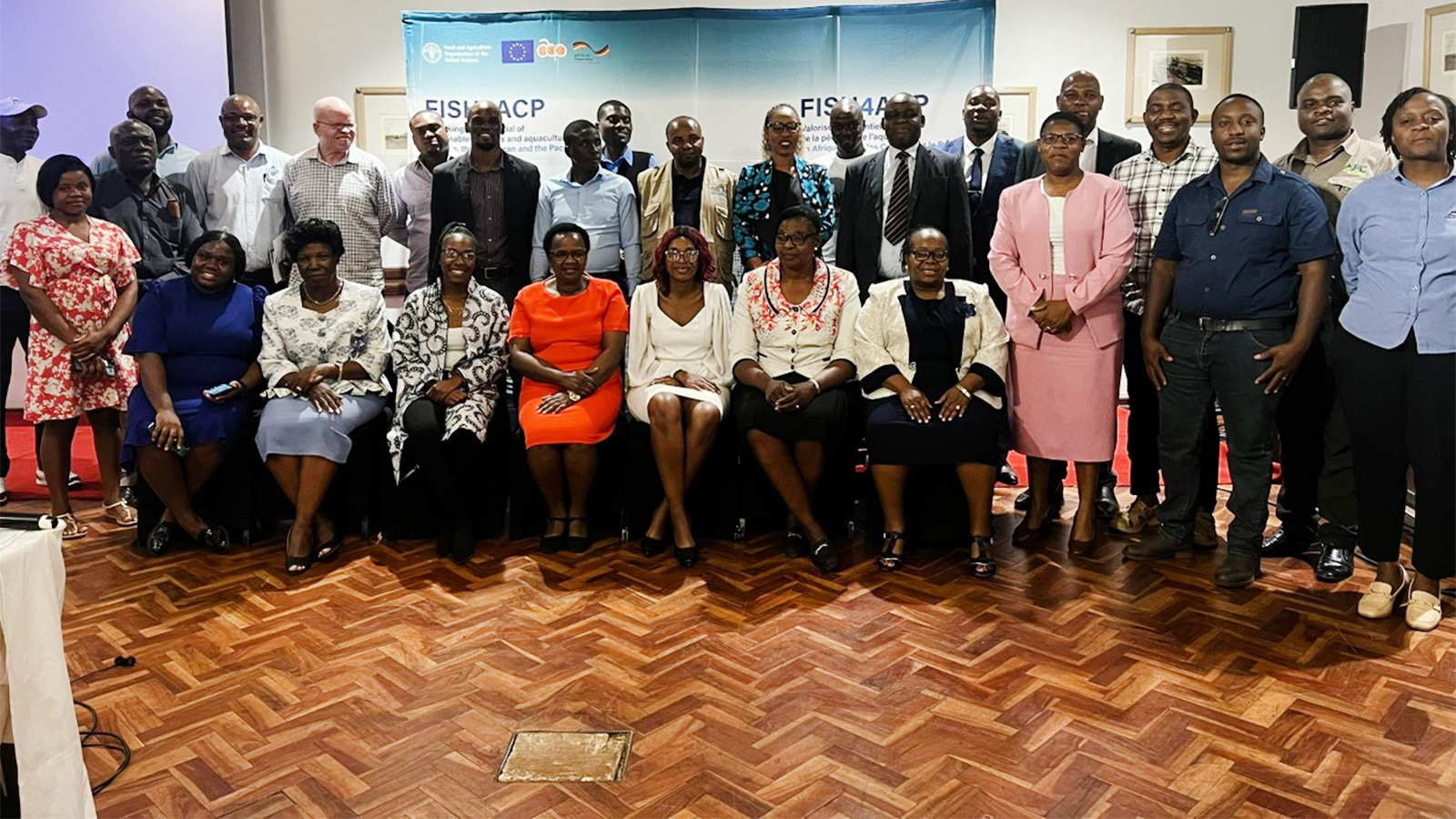
At a recent market strategy brainstorming and development session in Harare, stakeholders came together under the theme:
“Unlocking Market Access and Value for Small-Scale Fish Farmers in Zimbabwe.”
Unlocking Aquaculture Potential
Fish4ACP aims to strengthen the tilapia aquaculture value chain to drive food security, job creation, and economic growth, with a strong emphasis on empowering women and youth.
Zimbabwe, with over 10,700 dams and a National Blue Economy Strategy launched in 2024, has already become one of Southern Africa’s leading aquaculture producers. The country recorded 31,000 tonnes of aquaculture production in 2024, and now aims to double this to 60,000 tonnes annually.
“This programme aligns perfectly with the Presidential Fisheries Scheme and the Rural Transformation Programme as Zimbabwe works toward Vision 2030,” said Prof. Obert Jiri, Permanent Secretary of the Ministry of Lands, Agriculture, Fisheries, Water and Rural Development.
Tackling Value Chain Challenges
Despite progress, challenges such as fragmented value chains, post-harvest losses, weak cold-chain systems, and limited market access persist. AMA Acting CEO Jonathan Mukuruba stressed the importance of a practical and inclusive market strategy to integrate smallholder farmers into a sustainable aquaculture system.
“Tilapia makes up over 95% of national aquaculture production, yet small-scale farmers face barriers to accessing markets and resources. The new strategy will provide a roadmap for value addition, cold-chain infrastructure, and supply chain efficiency,” Mukuruba explained.
Farmers Driving Growth
According to FAO Fish4ACP project coordinator Paul Mwera, Zimbabwe now has over 4,000 fish farmers, compared to just five years ago when a single large producer dominated the industry. Access to quality fingerlings and FAO’s cold-chain pilot in Manicaland, which processes five tonnes of fish daily, are opening new market opportunities and improving nutrition.
Smallholder farmers, especially women, are reaping benefits. Pamodzi Fisheries, a women-led group, earned US$800 from their first tilapia harvest in April 2025 and now plans to expand operations despite challenges with transport, funding, and refrigeration.
“Together, let us build a resilient and inclusive fisheries sector that promotes growth, ensures food security, and supports employment,” Prof. Jiri urged.
Outlook
With Fish4ACP’s support and a clear market strategy due within six months, Zimbabwe is positioning fisheries and aquaculture as a pillar of Vision 2030 — driving food security, rural livelihoods, and national economic transformation
Leave a Reply