Your cart is currently empty!
Nigeria’s Livestock Export Push: Unlocking a Multi-Billion Dollar Opportunity for Food Security and Trade.
•
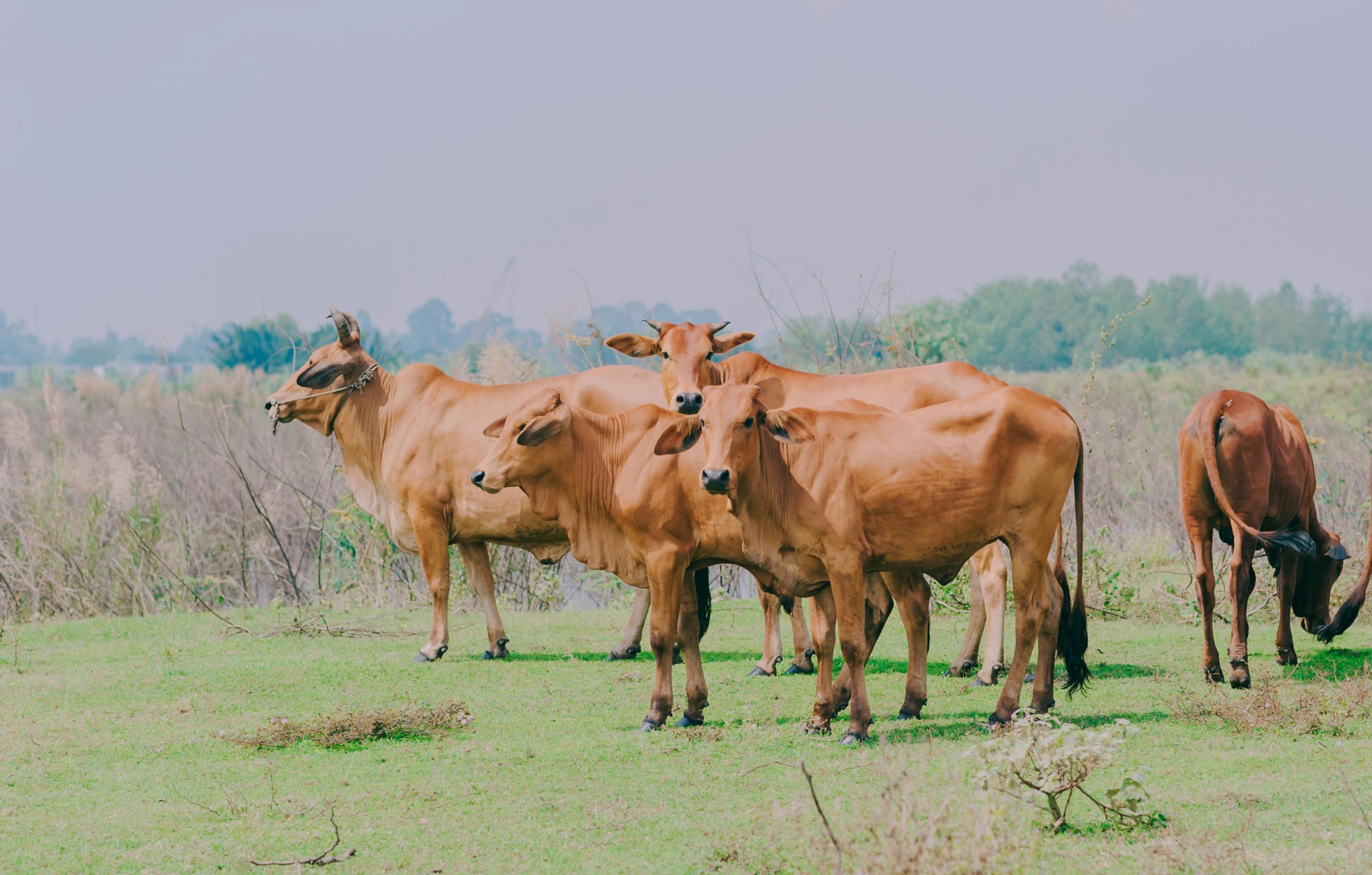
Nigeria is ramping up efforts to become a major player in the global livestock export market as part of its broader plan to diversify the economy beyond oil.
According to a joint FAO–OECD report, global per capita consumption of animal-based foods is projected to grow by 6% by 2034, with lower-middle-income countries expected to see a dramatic 24% increase. This growing demand for meat and dairy offers Nigeria a chance to build a multi-billion-naira export industry while improving food security at home.
Federal Minister of Livestock Development, Idi Mukhtar Maiha, revealed that Nigeria’s livestock export potential is valued at over ₦150 billion annually. To seize this opportunity, the Federal Government has introduced the National Livestock Growth Acceleration Strategy (NLGAS), which focuses on:
- Feed and fodder development
- Improved genetics and breeding
- Stronger disease control
- Transitioning nomadic herders into modern grazing hubs
Over 400 reserves will be rehabilitated, equipped with renewable energy, schools, clinics, and veterinary services. Grazing reserves and livestock routes are also being digitized for better management.
International support has been strong. The FAO has pledged technical backing, stressing the importance of a “One Health” approach that integrates human, animal, and environmental health. Experts, such as Dr. Roland Oroh of the Commodities Development Initiative, emphasized the need for private–public sector collaboration, modern abattoirs, and compliance with global trade standards to fully harness Nigeria’s export potential.
The opportunities extend beyond domestic markets. At the FirstBank Agric and Export Expo 2025, Niger State Governor Mohammed Umaru Bago announced a $100 million livestock export deal with the Saudi Export and Import Bank. The initiative will supply livestock and meat products to the Middle East, tapping into a $2.5 billion Gulf market. Under the arrangement, livestock will be processed in Niger into frozen, packaged meat and shipped via LNG-powered cold-chain trucks, reducing waste and ensuring value-added exports.
Lagos State, Nigeria’s largest consumer of cattle, is also investing heavily in livestock development. Pilot projects in Badagry and Epe aim to boost local cattle production, reduce dependence on supplies from other states, and build an integrated red meat value chain in partnership with Brazilian experts.
At the regional level, ECOWAS has launched the second phase of the West Africa Livestock Marketing Support Programme (PACBAO) in Accra, backed by $10 million from the Swiss Development Cooperation. The initiative seeks to modernize livestock trade, strengthen value chains, and boost intra-regional red meat flows by 30% over the next three years. Ghana, which currently spends $375 million annually on meat imports, is strongly backing the program to cut costs, create jobs, and strengthen food security.
Other countries are following suit. Morocco has announced a $670 million program to rebuild its livestock herd after droughts, focusing on debt relief, feed subsidies, and breeding support.
For Nigeria, the momentum is clear: with strong government commitment, international partnerships, and private sector involvement, the country is positioning itself to transform livestock farming into a global export powerhouse.
Leave a Reply